

Miami Has Two Waterfronts. Most Buyers Only Know About One.
Waterfront in Miami isn't one market. It is two. And the more compelling one, almost nobody markets it at all.
The one everyone knows is the view: floor-to-ceiling glass in Brickell, Edgewater, Sunny Isles, Bal Harbour, South of Fifth. The skyline-and-bay panorama that shows up in every relocation daydream. The appeal is earned. Miami will have one of the most striking skylines on Earth within a few years. For long-time residents, it is a moment some love and others not so much.
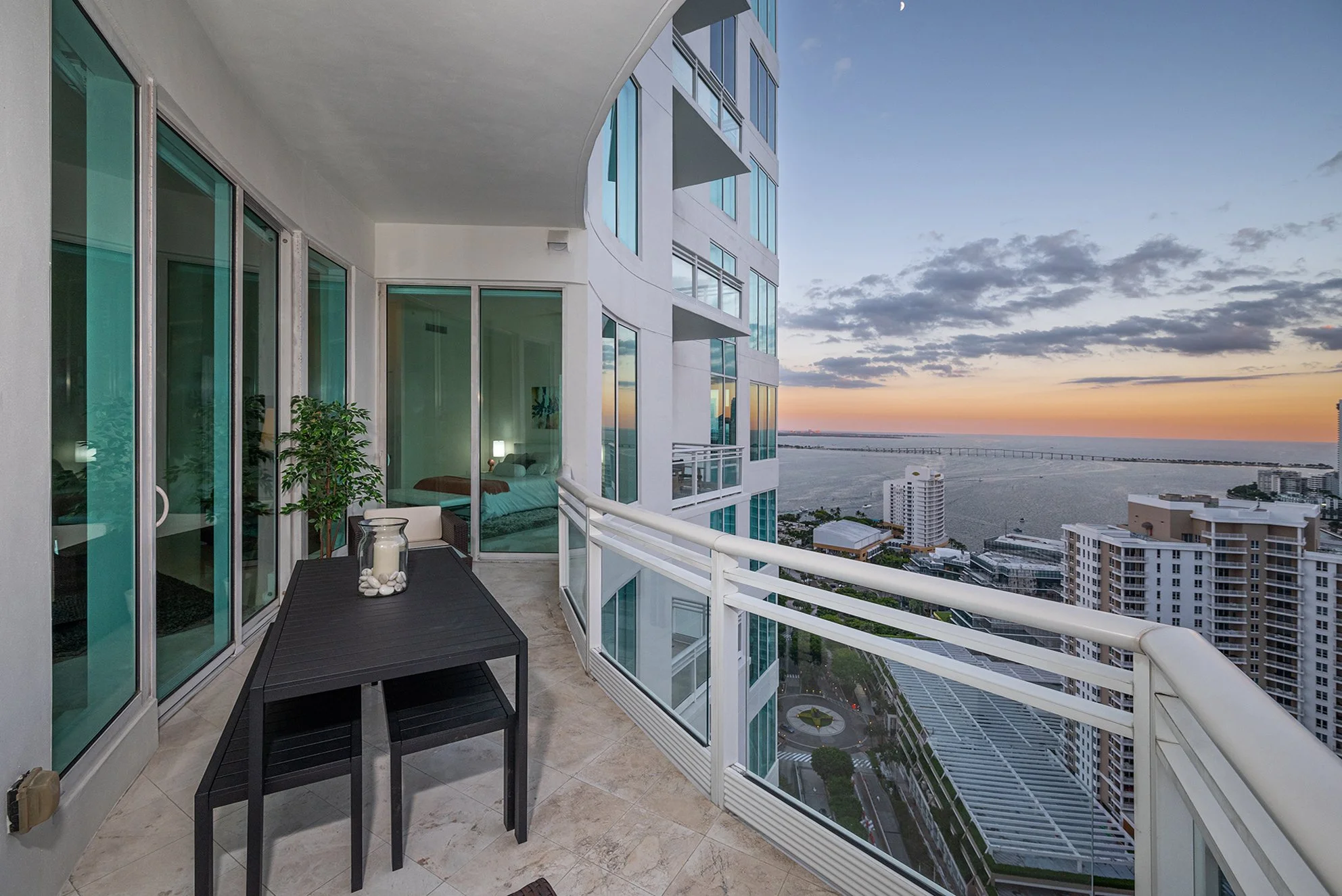
Asia at Brickell Key Unit 2705
Represented Seller | Sold $1.2m
The second waterfront IS the one nobody talks about.
Miami has hundreds of miles of canals, lakes, and bay-front addresses that sit quietly in single-family neighborhoods. And if you go up to Broward in specifically Ft. Lauderdale, it is THE Venice, Italy of South Florida. The beauty of the majority of these properties is that there are no shared boards telling you what to do. No amenity fees. No building votes. Just water behind your property line and a door that opens only for you.
I call this the Miami real estate GOAT. Quietly intact, fully accessible, and almost never marketed as waterfront at all.
It lives all over Miami but especially in South Miami, parts of Westchester has lakes, South Gables with waterways, South Grove, Cutler Bay, Belle Meade, Little River, Miami Lakes, Keystone Point, lots in Kendall into West Kendall, and Glenvar Heights. Buyers arriving with $700,000 for older homes that need some TLC are discovering these addresses for the first time and realizing the entry point to private waterfront living in Miami is closer than they thought.
One thing relocating buyers that are not familiar with waterfront living in south florida at ground level before falling in love with a canal or lake address: still water brings even more mosquitos. Not sometimes. Regularly. Plan accordingly - it is still worth it.
It is a real part of life in these neighborhoods and nobody in a sales brochure is going to tell you that, I will. Proper landscaping, good screens, and a citronella candle on the patio are not optional, they are part of the lifestyle. Ask any longtime resident even if no waterfront, the summer humidity is real. They will tell you the same thing, and they will also tell you they would not trade it. There is always indoor living which is quite the norm with central A/C as well.
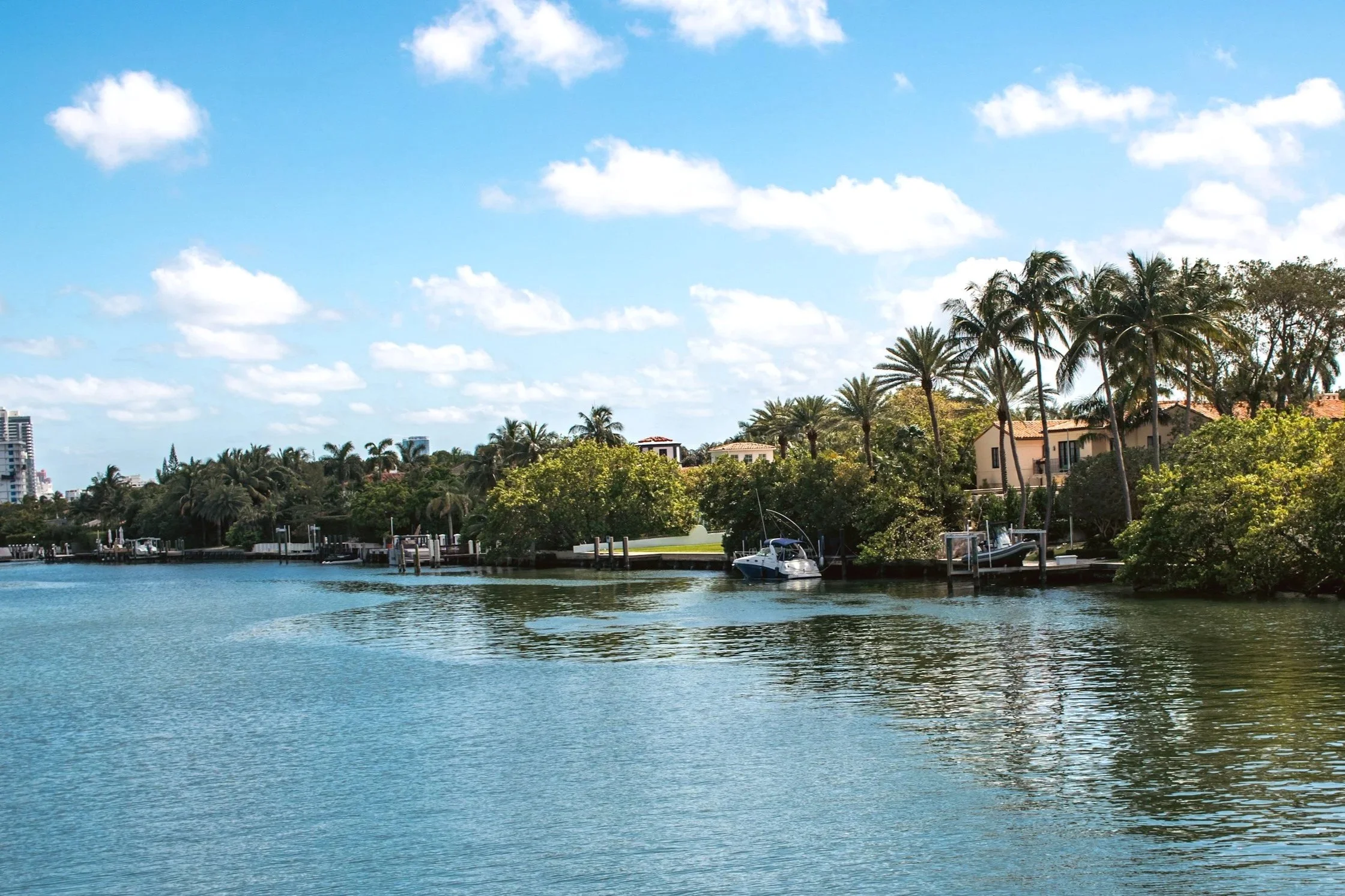
Waterfront living has been sought after since before the founding of Miami going back hundreds of years.
Biscayne Bay - Miami by Coconut Grove
Why sellers in these neighborhoods are sitting on a goldmine.
Most long-term homeowners in these areas do not think of themselves as waterfront sellers. They think of their home as a canal house, a lake-front house, or just the house they have lived in for 20+ years. They have never been told that the water behind their property changes their entire market position.
A condo owner staring down a five or six-figure special assessment is not just leaving the building. Many are leaving the format entirely, trading a shared board for a private dock and/or a property with no direct back neighbor with extra space.
These buyers are arriving with real budgets, motivated timelines, and a growing understanding that private waterfront living in Miami does not require a high-rise address. The seller who has positioned and presented their property correctly is capturing that demand. The one who has not is watching buyers walk past without knowing they were even in consideration.
The door most people walk past is the one worth opening.
If you own a single-family home on a canal, lake, or bay-front lot in Miami-Dade or Broward county and you have not had a real conversation about what that water access is actually worth in today's market, that conversation is overdue.
Miami's single-family waterfront market is moving. Fixer-uppers with land and water access are exactly what serious buyers are chasing right now, and most of them are not being shown this market at all.
Your property has a story the market needs to hear. That story is worth more than you think.
I work exclusively with people who are committed and open to a vision to reach their goals in a timely manner. Let’s partner and open that door together.
Book a 15-minute consultation at doorstorealestate.com.
#miamiwaterfrontproperties #Miamicanalfrontproperties #miamiwaterfronthomes